In the realm of geophysics, seismic wire has emerged as a groundbreaking technology that has the potential to revolutionize the way we predict and analyze earthquakes. This innovative tool, also known as a seismic sensor cable, is equipped with sensors that can detect the slightest movements or vibrations in the earth’s crust. By utilizing the data collected from these sensors, scientists and researchers are able to gain valuable insights into the mechanics of earthquakes and potentially forecast seismic activity with greater accuracy.
seismic wire consists of multiple individual sensors that are connected via a cable, allowing for widespread coverage of a designated area. These sensors are capable of detecting ground motion, oscillations, and other seismic activities, providing a comprehensive understanding of the physical processes occurring beneath the earth’s surface. When an earthquake occurs, the sensors within the seismic wire can detect the initial shockwaves and subsequent aftershocks, allowing for real-time monitoring of seismic events.
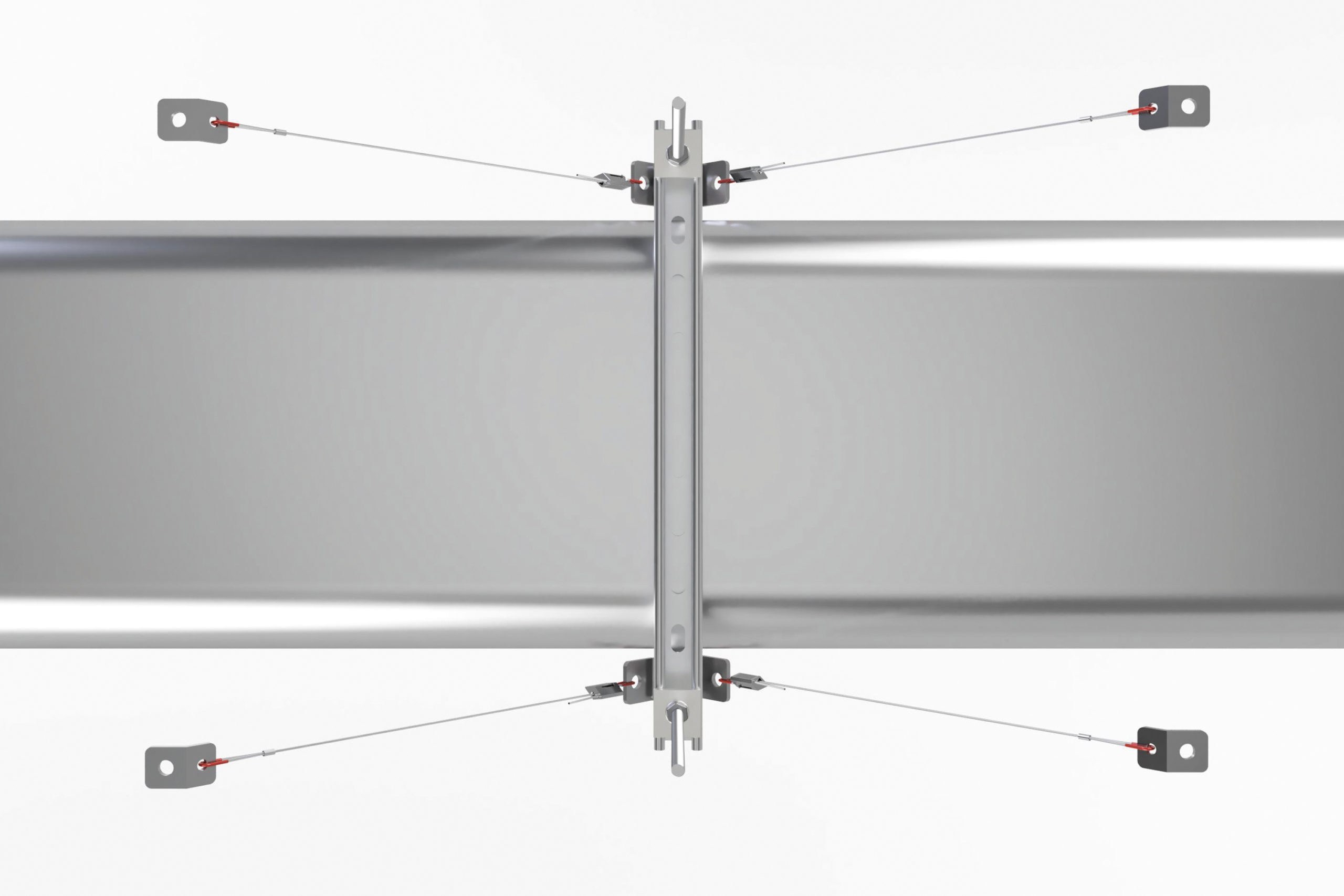
One of the key advantages of seismic wire is its ability to provide continuous and precise data on seismic activity. Traditional seismometers, which are stationary devices that measure ground motion, are limited in their range and effectiveness. In contrast, seismic wire can be deployed over a larger area and can capture data from multiple points simultaneously, offering a more comprehensive view of seismic events. This enhanced visibility allows researchers to monitor and analyze seismic activity in real-time, making it easier to detect patterns and trends that could indicate an impending earthquake.
Furthermore, seismic wire is a cost-effective and efficient tool for monitoring seismic activity. Unlike traditional seismometers, which require regular maintenance and calibration, seismic wire can be easily deployed and left in place for extended periods of time. This means that researchers can collect data continuously without the need for frequent interventions, saving time and resources in the process. Additionally, seismic wire can be used in remote or hard-to-reach locations, making it a versatile and reliable tool for studying earthquakes in various environments.
The applications of seismic wire extend beyond earthquake prediction and monitoring. This technology can also be used to study other natural phenomena, such as landslides, volcanic eruptions, and tsunamis. By deploying seismic wire in areas prone to these events, researchers can gain valuable insights into the underlying mechanisms and triggers that lead to such disasters. This knowledge can help improve early warning systems and mitigation strategies, ultimately saving lives and reducing the impact of natural disasters on communities.
In recent years, seismic wire has been employed in various research projects and initiatives aimed at improving our understanding of earthquakes. For example, the US Geological Survey (USGS) has deployed seismic wire networks in earthquake-prone regions to monitor and analyze seismic activity. These networks have provided critical data that has helped scientists better predict earthquake hazards and inform emergency response efforts. Similarly, international organizations and research institutions have utilized seismic wire to study seismic activity on a global scale, contributing to a more comprehensive understanding of earthquakes and their impact on society.
As technology continues to advance, the potential of seismic wire as a tool for predicting earthquakes is only expected to grow. With ongoing research and development efforts, scientists are exploring new ways to enhance the capabilities of seismic wire and improve its accuracy in forecasting seismic events. From enhancing sensor sensitivity to developing advanced data processing algorithms, researchers are continuously striving to unlock the full potential of seismic wire in earthquake prediction and monitoring.
In conclusion, seismic wire represents a significant milestone in the field of geophysics and earthquake science. This innovative technology offers a unique opportunity to study and understand seismic activity in unprecedented detail, providing valuable insights that can help predict and prepare for earthquakes. As researchers continue to explore the capabilities of seismic wire and harness its potential, we may soon have the ability to predict earthquakes with greater accuracy and precision, ushering in a new era of earthquake monitoring and hazard mitigation.